

Access Control Security in Pakistan: How Businesses Can Prevent Unauthorized Entry

Security does not begin when an incident happens. It begins at the entrance.
Every office, factory, warehouse, residential community, educational institution, hospital, and commercial facility needs to answer one important question: Who is allowed to enter the premises, and how can that access be controlled?
This is where access control security becomes an important part of a modern security strategy.
Access control helps organizations manage entry and exit points, verify people, protect restricted areas, and reduce the risk of unauthorized access. Depending on the requirements of a facility, access control can include biometric systems, identification checks, access cards, visitor management, CCTV surveillance, security guards, and other security technologies.
For businesses in Pakistan, combining technology with trained security personnel can create a more organized and controlled security environment.
What Is Access Control Security?
Access control security is the process of controlling and monitoring who is permitted to enter a building, facility, or restricted area.
Instead of allowing unrestricted access, organizations establish specific rules for employees, visitors, contractors, delivery personnel, and other individuals.
For example, an organization may allow employees to enter through authorized entrances, require visitors to register, provide temporary access to contractors, and restrict sensitive areas to authorized personnel.
The objective is simple: allow authorized people to access the right areas while preventing or identifying unauthorized entry.
Why Is Access Control Important for Businesses in Pakistan?
Businesses deal with valuable assets, confidential information, employees, customers, equipment, documents, and other resources.
A security problem does not always begin with a major incident. Sometimes it starts when an unauthorized person enters an area where they should not have access.
A properly designed access control strategy can help organizations establish better control over their premises and create clear procedures for employees, visitors, and contractors.
Prevent Unauthorized Entry
Access control can help organizations verify whether an individual has permission to enter a particular building or area. This can reduce uncontrolled movement through important entry points.
Protect Restricted Areas
Some areas of a facility require additional protection because they contain sensitive information, valuable equipment, or important operational resources.
These areas may include:
- Server rooms
- Data centers
- Record rooms
- Warehouses
- Control rooms
- Equipment rooms
- Management offices
- Cash-handling areas
Access to these locations can be limited to authorized personnel according to the organization’s security procedures.
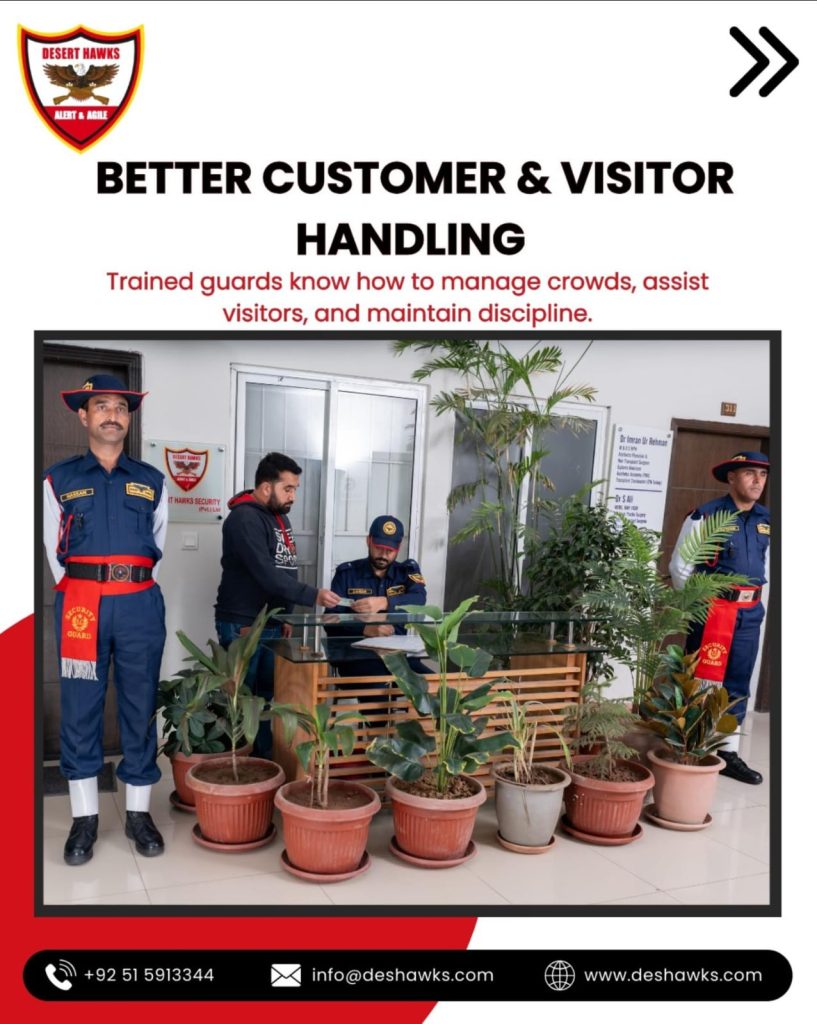
Improve Visitor Management
Visitors, contractors, delivery personnel, and employees may have different access requirements.
A structured visitor-management process can help organizations verify visitors, confirm their purpose, record their arrival, and provide access only to appropriate areas.
Improve Security Accountability
Access records can provide useful information about entry and exit activity. When combined with appropriate security procedures and monitoring, these records can support the review of unusual events or security incidents.
Support Security Personnel
Technology does not eliminate the need for trained security personnel.
Access control systems can provide additional information while security officers handle physical verification, visitor interaction, monitoring, and response to unusual situations.
Common Types of Access Control Systems
Different organizations require different levels of access control. The appropriate solution depends on factors such as the size of the facility, number of employees, sensitive areas, operating hours, visitor volume, and overall security requirements.
Biometric Access Control
Biometric access control can use characteristics such as fingerprints or facial recognition to verify an individual’s identity.
These systems can be useful in offices, industrial facilities, restricted departments, and other locations where controlled employee access is required.
Biometric systems can also provide organizations with electronic access records, depending on the system and configuration.
However, biometric technology should be supported by appropriate security policies and procedures.

Access Card Systems
Access cards and electronic credentials can be assigned to employees and authorized personnel.
Organizations can establish different access permissions for different departments or areas.
For example, an employee may have access to the main office while specific technical staff may also have access to a server room or other restricted area.
ID Verification
Not every facility requires sophisticated electronic systems at every entrance.
Trained security personnel can verify identification and confirm whether an individual is authorized to enter.
ID verification can be particularly useful at:
- Corporate offices
- Warehouses
- Construction sites
- Industrial facilities
- Residential communities
- Commercial properties
Visitor Management
Visitors should be managed according to the organization’s security procedures.
A basic visitor-management process may include:
Registration → Identification → Host Confirmation → Authorization → Controlled Access → Exit
The exact procedure should be adapted to the facility and its operational requirements.
Security Guards at Entry Points
Technology is an important part of modern security, but human judgment remains valuable.
Trained security personnel can check identification, monitor entrances, verify visitors, observe unusual activity, manage delivery personnel, enforce site-specific procedures, and respond to security incidents.
This is why access control and physical security can work together as part of a broader security strategy.
Access Control and CCTV: A Stronger Security Combination
Access control answers an important question:
Who is allowed to enter?
CCTV provides another layer of information:
What happened at the entrance?
When these systems are used together, security teams can gain better visibility over entry and exit activity.
For example:
Access Control → verifies authorization
CCTV → provides visual monitoring
Security Guard → handles physical verification
Monitoring Team → observes and coordinates response
This layered approach can help organizations create a more structured security environment.
The Role of Security Guards in Access Control
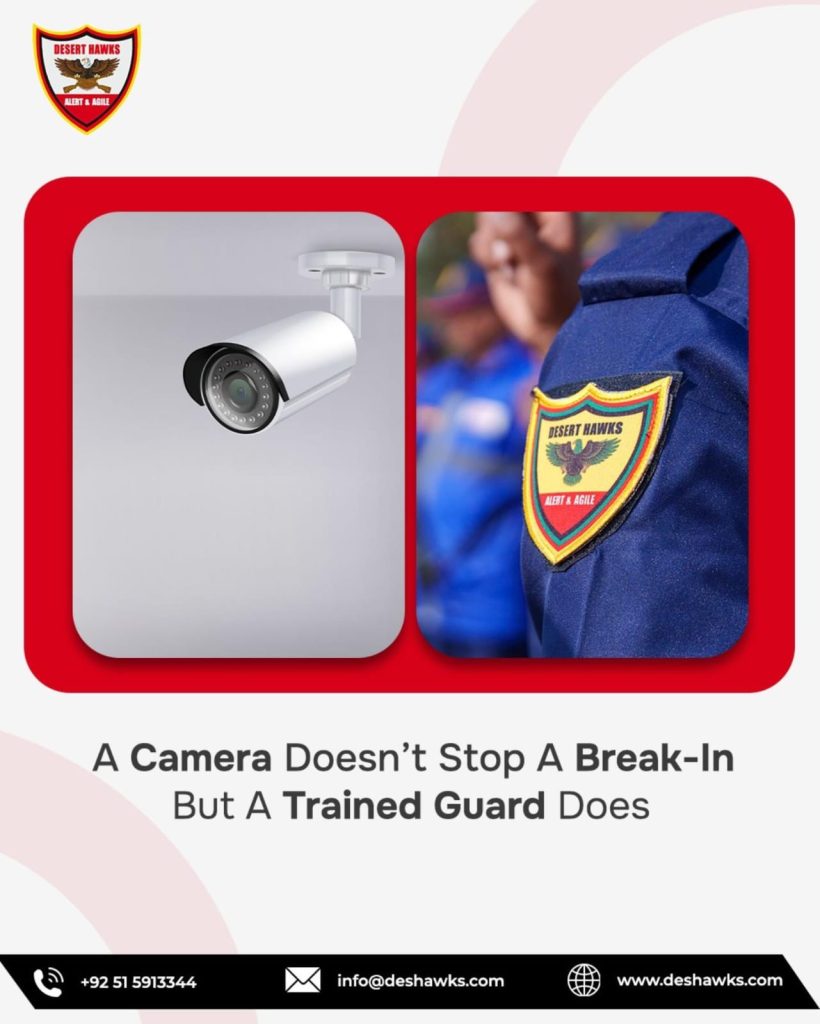
A common misconception is that installing an electronic access control system completely solves a facility’s security requirements.
In reality, technology and trained personnel can complement each other.
Security personnel may be required to deal with situations such as:
- Unauthorized visitors
- Suspicious behavior
- Delivery verification
- Tailgating
- Access disputes
- Emergency situations
- System failures
- Unusual activity
A trained security team can monitor the environment while technology provides additional information and control.
For this reason, businesses should consider access control as part of a wider physical security strategy rather than relying on a single device or system.
How Businesses Can Improve Access Control
Organizations should design access control around their actual security requirements rather than simply installing equipment.
Step 1: Identify All Entry and Exit Points
Start by identifying every entrance, exit, loading area, parking entrance, service entrance, and restricted access point.
Each location should have an appropriate security procedure.
Step 2: Identify Sensitive Areas
Determine which areas of the facility require additional protection.
These may include:
- Server rooms
- Financial departments
- Storage areas
- Control rooms
- Management offices
- Document storage areas
Step 3: Establish Access Levels
Not every employee needs access to every part of a facility.
Organizations can establish different access levels according to job responsibilities and operational requirements.
This can help reduce unnecessary access to sensitive areas.
Step 4: Establish Visitor Procedures
Create clear procedures for visitors and contractors.
A basic process can include:
Registration → Verification → Authorization → Controlled Access → Exit
Clear procedures can help security personnel manage visitors consistently.
Step 5: Combine Technology With Security Personnel
Depending on the facility, organizations may use:
- Biometric systems
- Access cards
- CCTV
- Visitor management
- Security guards
- Alarm systems
- Entry logs
- Monitoring systems
The appropriate combination depends on the organization’s requirements and security assessment.
Step 6: Review Access Permissions Regularly
Employees change departments, employees leave organizations, and contractors complete projects.
Access permissions should therefore be reviewed periodically.
When someone no longer requires access to a restricted area, their access should be updated according to the organization’s procedures.
Access Control for Different Industries
Different industries have different security requirements. Access control should therefore be designed according to the facility, people, assets, operations, and potential risks involved.
Corporate Offices
Corporate offices may use access control to manage employees, visitors, contractors, and restricted departments.
Sensitive areas such as server rooms, management offices, and record rooms may require additional access restrictions.
Warehouses
Warehouses may contain valuable inventory, equipment, and materials.
Access control can help organizations manage employees, delivery personnel, contractors, and visitors at designated entry points.
Manufacturing Facilities
Factories may have multiple entrances, production areas, equipment rooms, storage facilities, and large numbers of employees.
A structured access-control system can help separate authorized personnel from restricted areas.
Educational Institutions
Schools, colleges, and universities need to manage access for students, teachers, employees, parents, visitors, and contractors.
Clear entry procedures can help institutions maintain a more controlled environment.
Residential Communities
Housing societies and gated communities can use access control to manage:
- Residents
- Visitors
- Delivery personnel
- Domestic staff
- Contractors
- Service vehicles
Security guards and appropriate technology can work together at main gates and other designated access points.
Banks and Financial Institutions
Financial institutions handle sensitive information, valuable assets, and confidential operations.
Access to restricted areas may therefore require additional verification, monitoring, and security procedures.
What Happens When Access Control Is Poorly Managed?
Weak access control can create unnecessary security risks for an organization.
Potential problems may include:
- Unauthorized visitors entering the premises
- Employees accessing areas without authorization
- Poor visitor records
- Uncontrolled contractor access
- Difficulty reviewing security incidents
- Security blind spots
- Tailgating through controlled entrances
- Inadequate monitoring of restricted areas
The exact risks vary from one facility to another.
This is why organizations should assess their premises and establish security procedures based on their specific environment.
Access Control Is More Than a Biometric Machine
A fingerprint scanner or access card reader is only one component of access control.
Effective access management can involve four important elements:
Technology
Biometrics, access cards, CCTV, alarms, electronic locks, and monitoring systems can provide technological support.
People
Security guards, supervisors, security managers, and other trained personnel can manage physical security and respond to situations that technology cannot handle on its own.
Procedures
Visitor verification, access permissions, reporting procedures, and emergency protocols provide structure to the security operation.
Monitoring
Continuous observation of important entry points and security events can help organizations identify unusual activity and respond according to their procedures.
Benefits of Professional Access Control Management
A properly managed access control strategy can help organizations:
Improve Entry Security
Authorized individuals can be given controlled access to appropriate areas.
Reduce Unnecessary Access
Sensitive areas can be restricted to approved personnel.
Improve Visitor Management
Visitors can be identified, registered, and managed through defined procedures.
Support Incident Investigation
Access records and surveillance information can provide useful information when reviewing a security incident.
Strengthen Overall Security
Access control can work alongside security guards, CCTV, alarms, monitoring, and other physical security measures.
Why Choose a Professional Security Company?
Managing access control requires more than installing equipment.
A professional security provider can help organizations assess their premises, establish entry procedures, deploy trained security personnel, and integrate appropriate security technologies according to their requirements.
At Desert Hawks Security Services, our physical security solutions include access-control management, biometric scanners, ID checks, entry supervision, trained security personnel, CCTV, mobile patrols, and other security measures.
By combining trained personnel with appropriate technology and clear procedures, organizations can develop a more structured approach to protecting their people, property, and operations.

Frequently Asked Questions About Access Control Security
What is access control security?
Access control security is the process of controlling and monitoring who can enter a building, facility, or restricted area.
What are common access control systems?
Common solutions include biometric systems, access cards, electronic locks, ID verification, visitor-management systems, CCTV, and trained security personnel.
Is biometric access control enough for a business?
Not necessarily. Biometric systems can help verify identity, but businesses may also require security guards, CCTV, visitor procedures, monitoring, and other security measures depending on their requirements.
Can access control work with CCTV?
Yes. Access control and CCTV can complement each other by combining access information with visual monitoring of entrances and restricted areas.
Do small businesses need access control?
The appropriate level of access control depends on the business, its premises, assets, employees, visitors, and security requirements. Smaller organizations can also benefit from clear entry and visitor-management procedures.
Can access control be used in housing societies?
Yes. Access control can help housing societies manage residents, visitors, contractors, domestic staff, service personnel, and vehicles at designated entry points.
Does Desert Hawks provide access control security services?
Yes. Desert Hawks Security Services provides physical security solutions that include access-control management, biometric scanners, ID checks, entry supervision, trained security personnel, and related security measures.
Conclusion: Control Access Before It Becomes a Security Problem
Security starts at the point of entry.
A controlled entrance can help an organization manage who enters its premises, where people are authorized to go, and how access activity is monitored.
However, effective access control is not simply about installing a biometric scanner or access card reader.
It requires a combination of:
Trained Security Personnel + Access Control Technology + Clear Procedures + CCTV + Monitoring
Every organization has different security requirements. A corporate office, warehouse, housing society, factory, educational institution, or financial facility may require a different approach.
A professional security assessment can help organizations identify their entry points, sensitive areas, access requirements, and appropriate security measures.
Desert Hawks Security Services provides physical and technology-supported security solutions designed around the requirements of businesses, organizations, and facilities across Pakistan.
If your organization needs stronger control over its entrances, visitors, employees, and restricted areas, professional security planning can be an important step toward improving your overall security strategy.
Need Professional Access Control Security?
Protect your business, employees, visitors, and valuable assets with a security strategy designed around your organization’s requirements.
Contact Desert Hawks Security Services today to discuss your security requirements.
Phone: +92 51 5913344
Email: info@deshawks.com
Website: deshawks.com
Desert Hawks Security Services (Pvt.) Ltd.


